What Is diVa Laser Treatment and Who Is It For? A Guide to Vaginal Rejuvenation in NJ
Summary
diVa is a non-surgical, physician-administered laser treatment designed to address the internal tissue changes that affect vaginal health. It is used to treat vaginal dryness, tissue laxity, mild bladder leakage, discomfort during intimacy, and other symptoms related to hormonal changes or the physical effects of childbirth. The procedure takes roughly five minutes, requires no anesthesia, and involves no downtime. For many women, it produces meaningful improvement in symptoms that have significantly affected their quality of life.
At Source Medical Aesthetics in Matawan, NJ, Dr. Kristine Krever offers diVa as part of a broader approach to women's health. Her background in family medicine and women's health gives her a clinical perspective that goes well beyond cosmetics. For Dr. Krever, addressing the changes that happen to a woman's body over time is not separate from aesthetic medicine. It is a natural extension of it.
This guide explains what diVa is, how it works, who is a candidate, what to expect from treatment, and answers the most common questions patients ask before their first appointment.
Understanding the Tissue Changes Behind the Symptoms
The symptoms that diVa treats are not a matter of personal perception. They are the result of measurable, physiological changes in vaginal tissue driven primarily by declining estrogen levels.
Estrogen plays a central role in maintaining the health and function of vaginal tissue. It stimulates collagen production, supports tissue thickness and elasticity, and promotes natural lubrication. When estrogen levels drop, which happens gradually through perimenopause, more significantly at menopause, and also following childbirth during the postpartum period or after breastfeeding, the tissue becomes thinner, drier, and less elastic. This is a condition known clinically as genitourinary syndrome of menopause, or GSM, though the same changes can occur in younger women for hormonal reasons unrelated to age.
The physical consequences of these changes vary from woman to woman. Some experience primarily dryness and irritation. Others notice discomfort during intimacy that makes it something to avoid rather than enjoy. Many women experience a degree of urinary stress incontinence, meaning leakage that occurs with physical exertion like coughing, sneezing, laughing, or exercise. Tissue laxity following vaginal delivery is another concern that brings patients in for consultation.
What all of these symptoms have in common is that they are caused by changes in tissue structure and collagen integrity. diVa works by addressing those structural changes directly.
How diVa Works
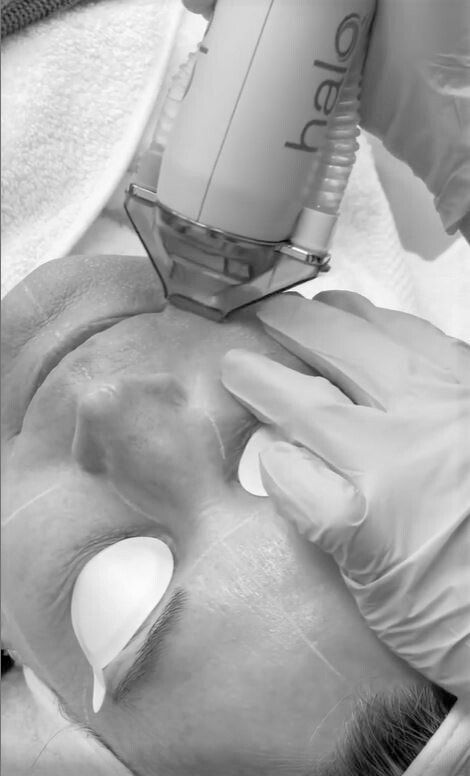
diVa uses hybrid fractional laser technology to deliver two wavelengths of laser energy to the vaginal canal simultaneously. The first wavelength resurfaces the superficial layer of vaginal tissue, removing the outermost layer of cells to stimulate cellular renewal. The second wavelength penetrates to a deeper level to trigger collagen remodeling, which improves tissue thickness, elasticity, and overall structural integrity.
This combination approach allows the treatment to address both the surface layer of tissue and the deeper structural layer in a single session. The device is designed specifically for the vaginal canal and delivers energy through a rotating handpiece that ensures consistent coverage throughout the treatment area.
The procedure itself takes approximately five minutes. Patients describe it as a mild sensation of warmth and pressure. There is no anesthesia required. Most women return to normal daily activities immediately following treatment, with the exception of sexual activity, which is typically restricted for a few days while the tissue heals.
A standard diVa protocol involves three treatment sessions spaced approximately four to six weeks apart. Many patients notice improvement after the first session, with continued progress through the second and third treatments. Annual maintenance sessions are often recommended to sustain the results as the body continues to change over time.
Who Is a Good Candidate for diVa
diVa is appropriate for a wide range of women experiencing the symptoms described above. It is particularly well-suited for women who are perimenopausal or postmenopausal and experiencing vaginal dryness, tissue thinning, or mild bladder leakage. It is also a meaningful option for postpartum women dealing with laxity or sensitivity following vaginal delivery.
Women who cannot use hormonal therapy for medical reasons, including some breast cancer survivors, are often excellent candidates for diVa because it achieves its results through tissue stimulation rather than hormone delivery. It is important to note that diVa is not a substitute for hormonal therapy when hormones are appropriate and desired. In some cases, Dr. Krever may recommend both approaches as part of a comprehensive plan.
diVa is not appropriate for women who are pregnant, have active vaginal or cervical infections, or have certain gynecological conditions. A thorough consultation with Dr. Krever is the right starting point to determine whether you are a candidate and to make sure there are no contraindications.
Why Physician Oversight Matters for This Type of Treatment
Vaginal laser treatments are medical procedures performed in sensitive tissue that serves important physiological functions. The difference between a physician-administered treatment and a non-physician-administered one is not a matter of preference. It is a matter of clinical safety, proper candidacy screening, and informed management of your overall health.
Dr. Krever brings over 20 years of medical experience to every consultation, with a specific background in women's health that is genuinely rare in aesthetic medicine. She evaluates your hormonal history, your symptoms in full, and your overall health picture before recommending treatment. She can also identify when symptoms that appear to be related to tissue changes may actually warrant a gynecological referral, which is something that a non-physician provider is not positioned to do.
At Source Medical Aesthetics, you are not receiving a cosmetic service in isolation. You are receiving medical care from a board-certified physician who understands how your body works and what it needs.
What Results Can You Expect
Most patients report noticeable improvement in vaginal dryness and tissue comfort within the first few weeks following their initial treatment. Improvement in mild urinary stress incontinence and tissue laxity tends to become more apparent after the second and third sessions, as collagen remodeling takes place gradually over time.
Individual results vary depending on the severity of the symptoms, the patient's age, hormonal status, and overall health. Some women experience dramatic improvement after a full course of treatment. Others experience moderate improvement that meaningfully reduces their symptoms even if it does not eliminate them entirely. The consultation process with Dr. Krever includes a realistic conversation about what outcomes are reasonable to expect for your specific situation.
Frequently Asked Questions About diVa
Is diVa painful?
Most patients describe the procedure as a mild sensation rather than pain. The treatment involves a degree of warmth and pressure inside the vaginal canal. It does not require numbing or anesthesia and is typically well-tolerated.
How many diVa sessions are needed?
The standard protocol is three sessions spaced four to six weeks apart. Some patients achieve significant improvement with fewer sessions. Annual maintenance is generally recommended after the initial series.
How long does a diVa treatment take?
The laser treatment itself takes approximately five minutes. Your full appointment, including setup and discussion, is typically 30 to 45 minutes.
Is there downtime after diVa?
There is no downtime in terms of daily activities. Sexual activity is typically restricted for a few days following treatment. Most women return to work and normal routines immediately.
Can younger women benefit from diVa?
Yes. While diVa is commonly associated with menopausal changes, it is also appropriate for postpartum women and younger women experiencing vaginal dryness or discomfort related to hormonal changes from birth control, breastfeeding, or other factors.
We understand that these are not always easy topics to bring up, and we respect the vulnerability it takes to seek care for them. Dr. Krever creates a clinical environment that is straightforward, non-judgmental, and focused on your health and wellbeing. Women in Matawan, Marlboro, Old Bridge, Holmdel, and across Monmouth County are welcome to schedule a private consultation to discuss whether diVa is the right option for them. Call us or book online today.