Spider Veins vs. Varicose Veins: What Is the Difference and Can They Be Treated Without Surgery?
Summary
Spider veins and varicose veins are not the same condition, and the distinction matters when it comes to treatment. Spider veins are small, superficial vessels that appear close to the skin surface and are primarily a cosmetic concern. Varicose veins are larger, deeper, and can in some cases signal an underlying issue with venous circulation that warrants medical evaluation. Both can be addressed without surgery, but the appropriate approach depends on which type you have and what is driving them.
At Source Medical Aesthetics in Matawan, NJ, vein treatments are part of our medical services portfolio, overseen by Dr. Kristine Krever. Many of our patients from Matawan, Marlboro, Holmdel, and Old Bridge come in after years of feeling self-conscious about veins on their legs or face without realizing that effective, non-surgical treatment options have been available for a long time. This guide explains what separates these two conditions, who is most likely to develop them, and what treatment looks like at a physician-led practice.
What Are Spider Veins
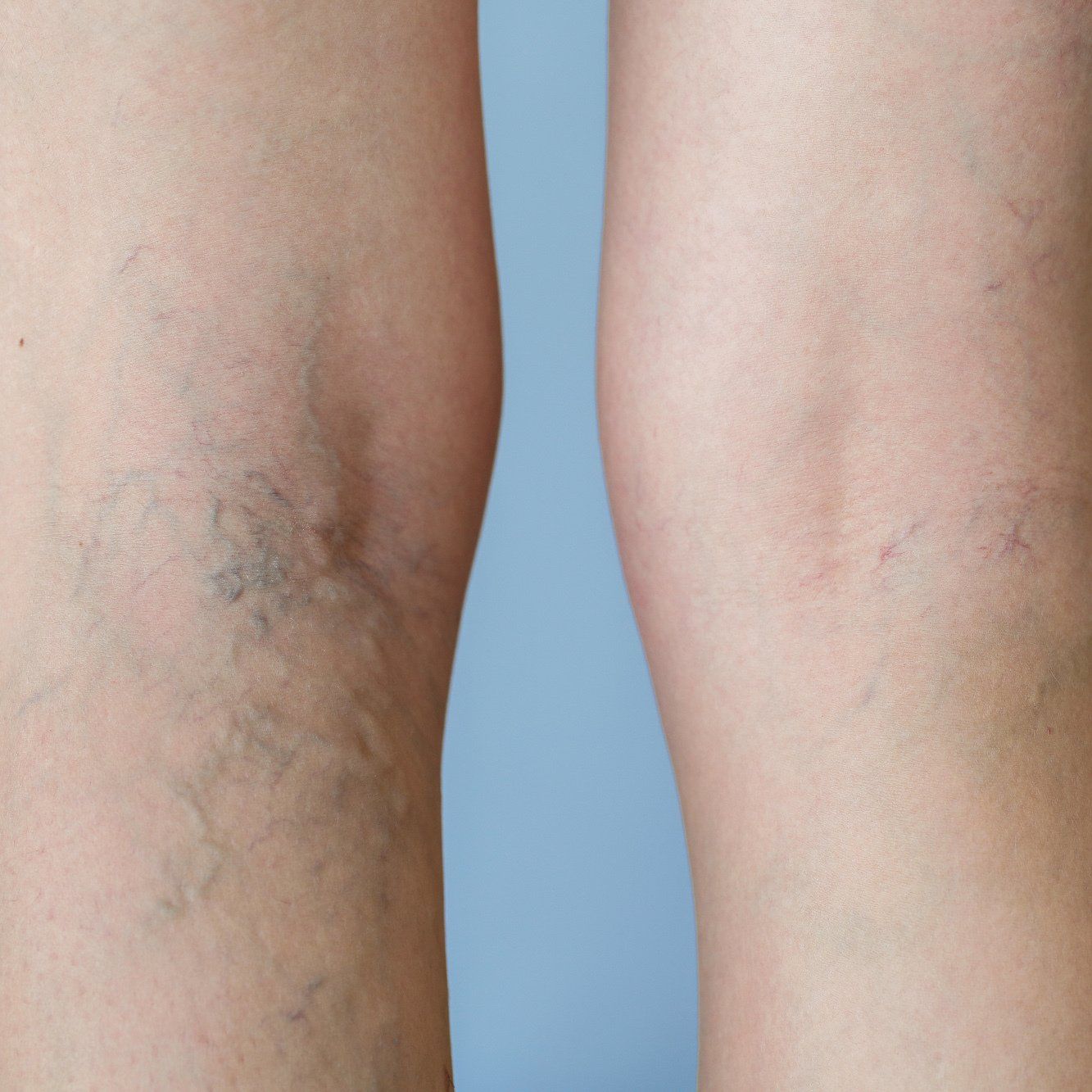
Spider veins, known clinically as telangiectasias, are dilated capillaries and small veins that have become visible just beneath the surface of the skin. They appear as thin red, blue, or purple lines that often branch outward from a central point, which is where the common name comes from. They are typically flat against the skin, meaning you cannot feel them the way you can feel a raised varicose vein.
Spider veins appear most commonly on the legs, particularly on the thighs, calves, and ankles. They also appear on the face, especially around the nose, on the cheeks, and near the chin, where they are sometimes called broken capillaries. Facial spider veins are particularly common in people with rosacea or chronic sun damage.
Spider veins are extremely common. Research suggests that up to 60 percent of adults develop them at some point in their lives. They are more prevalent in women than in men, and their appearance tends to increase with age.
What Are Varicose Veins
Varicose veins are larger, twisted veins that typically bulge above the surface of the skin. They occur most often on the legs and can be felt as raised, rope-like structures beneath or on the skin surface. They are usually blue or green in color, though they can appear flesh-toned in some cases.
Varicose veins develop when the valves inside the veins that regulate blood flow back toward the heart begin to function poorly. When a valve weakens, blood pools in the vein rather than moving efficiently upward, causing the vessel to expand and distort.
This is a functional problem, not just a cosmetic one. Varicose veins can cause aching, heaviness, swelling, and fatigue in the affected leg. In more significant cases, they are associated with chronic venous insufficiency, a condition in which poor circulation causes ongoing symptoms that extend beyond appearance.
Because varicose veins involve venous valve function, anyone who has them should have a proper medical evaluation before pursuing cosmetic treatment to ensure there is no underlying circulatory concern that needs to be addressed first.
What Causes Spider Veins and Varicose Veins
Both conditions share several common risk factors, though the mechanisms behind them are somewhat different. Genetics is the most significant predictor of both spider veins and varicose veins. If one or both of your parents had visible leg veins, you are considerably more likely to develop them yourself. This is true regardless of how active you are or how well you care for your skin.
Hormonal changes play a major role, particularly in women. Estrogen and progesterone affect the tone and elasticity of vein walls. Pregnancy increases the volume of blood in the body and places pressure on the pelvic veins, which can impede blood flow from the legs and contribute to vein development. Hormonal changes during perimenopause and menopause similarly affect vascular tone.
Prolonged sitting or standing is another significant contributing factor. People whose occupations require long periods of standing, including nurses, teachers, retail workers, and restaurant staff, are at higher risk because sustained downward pressure on the veins makes it harder for blood to return upward. Similarly, people who sit for extended periods, including those who work at a desk or commute long distances, can experience reduced circulation that stresses vein walls over time.
Sun exposure is the primary driver of facial spider veins. UV radiation damages the thin walls of superficial capillaries, causing them to dilate permanently. This is especially pronounced in people with lighter skin tones and in those who have a history of rosacea, which already involves heightened vascular reactivity.
Weight, age, and previous injuries can also contribute to vein development. As skin becomes thinner and loses elasticity with age, veins that were always present become more visible even if their structure has not changed significantly.
Can Spider Veins and Varicose Veins Be Treated Without Surgery
Yes. The majority of spider veins and mild to moderate varicose veins can be effectively treated without surgical intervention. Surgical procedures such as vein stripping are now rarely necessary and are generally reserved for severe varicose veins with significant underlying venous insufficiency.
For spider veins on the legs, sclerotherapy is the most established and widely used treatment. It involves injecting a solution directly into the target vein, which causes the vessel walls to seal together. The vein is then gradually absorbed by the body over several weeks, and the skin becomes clearer. Multiple sessions may be needed depending on the number and size of the veins being treated. Sclerotherapy has been performed for decades and has an excellent safety record when administered by trained medical professionals.
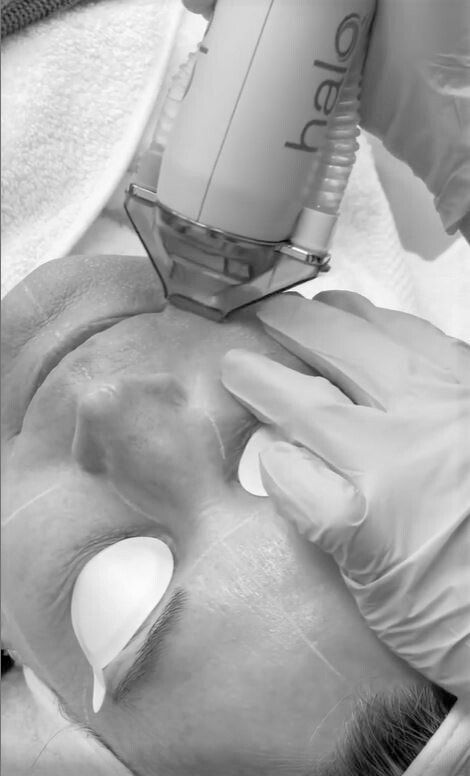
For spider veins on the face, laser and light-based treatments are typically preferred because the vessels in facial skin are very small and superficial. Laser energy targets the pigment inside the vessel, causing it to collapse and fade without affecting the surrounding skin. The result is a reduction in visible redness and a clearer, more even complexion. This approach is also used for the diffuse redness and broken capillaries associated with rosacea.
At Source Medical Aesthetics, Dr. Krever evaluates each patient individually to determine which treatment approach is most appropriate. For patients whose veins are accompanied by symptoms like aching, heaviness, or swelling, she may recommend evaluation for venous insufficiency before proceeding with cosmetic treatment. Patient safety and thorough clinical assessment are the foundation of how we approach care.
What to Expect During Vein Treatment
Vein treatments at our practice begin with a consultation. Dr. Krever reviews your medical history, examines the affected area, and discusses your concerns and goals. If you are being treated for leg veins, she assesses whether your symptoms suggest anything beyond cosmetic concern.
Treatments themselves are performed in the office and take anywhere from 15 to 45 minutes depending on the area being treated and the number of vessels being addressed. Sclerotherapy involves a series of small injections and is well-tolerated by most patients, though some describe a mild burning or cramping sensation that passes quickly. Laser treatments involve a sensation of warmth and brief snapping that varies in intensity depending on the area.
Recovery depends on the type of treatment. Most patients return to normal activity the same day. Compression garments are often recommended following sclerotherapy to support the treated vessels during healing. Strenuous exercise and prolonged sun exposure are typically restricted for a short period after treatment.
Results are not immediate. Veins that have been treated will darken and then gradually fade over several weeks as the body processes them. Multiple sessions are common, particularly for patients treating a larger number of veins or returning for maintenance after initial clearance.
Frequently Asked Questions About Vein Treatment
Will treated veins come back?
Treated veins do not return because the vessel is permanently closed and absorbed. However, new veins can develop over time, particularly if the underlying risk factors such as genetics, hormonal changes, or prolonged standing are still present. Maintenance treatment is a realistic part of long-term management for many patients.
Is there a best time of year to treat leg veins?
Fall and winter are practical times to treat leg veins because compression garments are easier to wear in cooler weather and you are less likely to be wearing shorts or swimwear during the recovery period. That said, treatment can be performed at any time of year.
How many sessions will I need?
This varies significantly depending on the number of veins being treated, their size, and how your body responds. Some patients see the results they want after one or two sessions. Others with more extensive involvement may need three or more. Dr. Krever provides a realistic estimate during your initial consultation.
If you have been putting off addressing visible veins because you assumed surgery was the only option, we encourage you to schedule a consultation. We serve patients from across Monmouth County, including Matawan, Marlboro, Holmdel, Old Bridge, and the surrounding communities.
Call us or book your appointment online at Source Medical Aesthetics today.