Does Rosacea Get Worse in Summer? What Monmouth County Patients Need to Know
Summary
Rosacea does get worse in summer for most people who have it, and there's a clear physiological reason why. Rosacea is a chronic inflammatory skin condition that causes redness, visible blood vessels, facial flushing, and sometimes breakouts, driven by a dysregulated immune response that makes blood vessels dilate more readily than normal. Heat, UV exposure, humidity, and increased physical activity, the defining conditions of a New Jersey summer, are among the most well-documented triggers for flare-ups. Over-the-counter products can temporarily reduce redness but don't address the underlying vascular and inflammatory process driving the condition. At Source Medical Aesthetics in Matawan, NJ, Dr. Kristine Krever builds physician-supervised rosacea treatment plans that can include laser and light-based treatments like Laser Genesis, along with aesthetician coaching to correct any skincare habits that may be worsening flares. Rosacea can be treated year-round, though more aggressive resurfacing treatments are generally reserved for cooler months.
What Is Rosacea, and Why Does It Flare?
Rosacea is a chronic inflammatory skin condition that causes redness, visible blood vessels, facial flushing, and in some cases breakouts that can be mistaken for acne. It's estimated to affect around 16 million Americans and is frequently underdiagnosed, since many people assume their persistent redness is simply sensitive skin rather than a distinct condition.
The underlying mechanism involves a dysregulated immune response in the skin that causes blood vessels to dilate more readily than they should. When a trigger is introduced, the vessels expand, blood rushes to the surface, and the skin becomes visibly red, warm, and sometimes uncomfortable. Over time, repeated flushing episodes can cause those vessels to remain permanently dilated, which is why rosacea tends to worsen gradually if left unmanaged. Common triggers include heat, direct sunlight, spicy foods, alcohol, stress, and certain skincare products, though heat and UV exposure are the two most universally reported ones.
Why Does Summer in New Jersey Make Rosacea Worse?
New Jersey summers bring high heat, intense UV index readings, and significant humidity, particularly along the shore and in inland areas like Matawan, Marlboro, and Old Bridge. Each of these factors affects rosacea differently, and together they create conditions that are genuinely difficult for rosacea-prone skin to tolerate.
Heat causes the body to work to regulate its core temperature by dilating blood vessels near the skin's surface to release heat. For people with rosacea, this normal thermoregulatory response is exaggerated, and even moderate heat exposure can trigger a visible flush that lasts well beyond time spent outdoors.
UV radiation is a direct inflammatory trigger for rosacea, separate from sunburn. Sun exposure activates immune pathways in the skin that increase redness and accelerate the visibility of broken capillaries, meaning a rosacea flare can happen without any burn occurring at all. Even a short period without adequate SPF protection can produce a reaction lasting for days.
Humidity compounds the problem by making it harder for skin to cool itself efficiently and by altering the skin barrier in ways that increase sensitivity, which is why many patients feel perpetually flushed even indoors with air conditioning. Physical activity, which tends to increase in summer, is also a significant trigger, since exercise raises core body temperature and circulation in a way that mirrors the flushing response caused by external heat.
Why Is It Difficult to Manage Rosacea on Your Own?
Many patients spend years trying to manage rosacea with over-the-counter products before seeking professional care. This often leads to a frustrating cycle of using products that reduce redness temporarily while doing nothing to address the underlying vascular and inflammatory processes driving the condition. Some products marketed for sensitive or redness-prone skin contain ingredients, including certain alcohols, fragrances, and physical exfoliants, that can actually aggravate rosacea. Without a professional assessment, it's difficult to know whether a current skincare routine is helping or contributing to ongoing flares.
Rosacea also has several subtypes, and the appropriate treatment depends on which one a patient has. Erythematotelangiectatic rosacea is characterized primarily by redness and visible vessels. Papulopustular rosacea involves breakouts alongside redness. Phymatous rosacea causes thickening of the skin, most commonly on the nose. A physician evaluation is the most reliable way to identify a patient's subtype and build an appropriate treatment plan.
What Does Physician-Supervised Rosacea Treatment Look Like?
At Source Medical Aesthetics, rosacea management begins with a medical evaluation. Dr. Krever takes time to understand a patient's specific pattern of flares, current skincare products, lifestyle, and history with rosacea before recommending treatment, since rosacea isn't a one-size-fits-all condition.
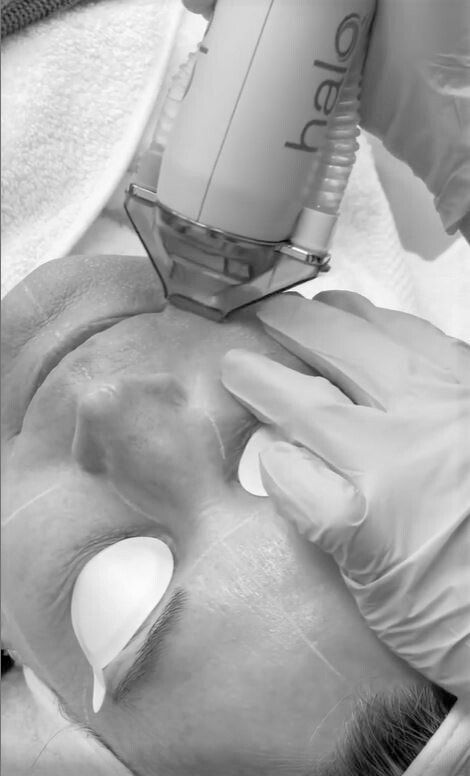
For the vascular component of rosacea, meaning the persistent redness and visible broken capillaries, laser and light-based treatments are among the most effective options available. Laser Genesis is a non-ablative laser treatment that delivers energy into the dermis to reduce redness, calm inflammation, and target the dilated vessels causing chronic flushing. It's a gentle treatment with no downtime, which makes it appropriate even during warmer months when more aggressive treatments aren't ideal.
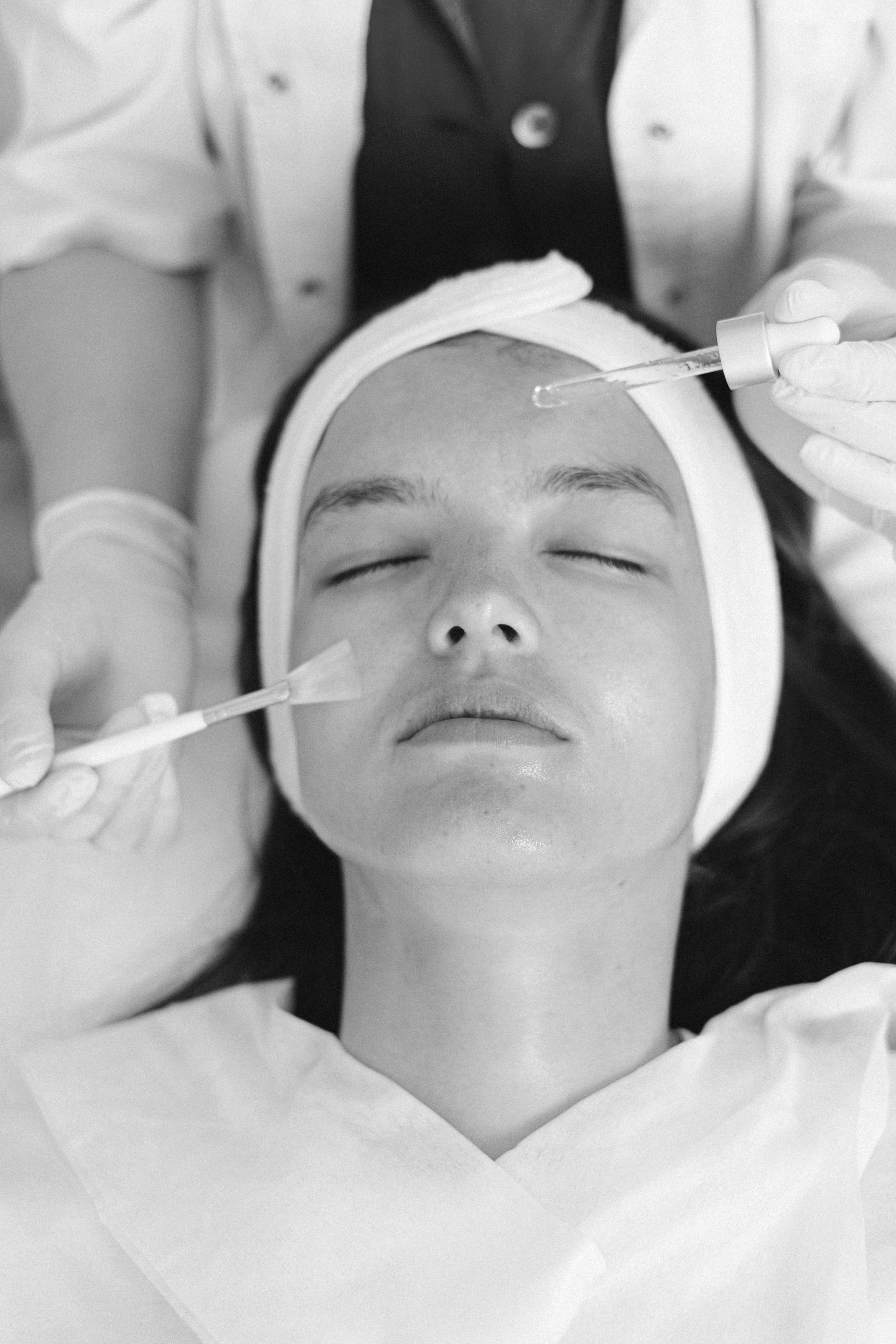
Aesthetician coaching can also help by addressing a patient's daily routine. At Source Medical Aesthetics, this includes reviewing current products, identifying anything that may be triggering or worsening the condition, and building a morning and evening routine that supports the skin rather than working against it.
Can Rosacea Be Treated During Summer?
Yes, rosacea can be treated during summer, though the approach is tailored to what's safe and appropriate in warm, sun-heavy months. Laser Genesis is well suited for year-round treatment because it doesn't create significant photosensitivity. More aggressive resurfacing treatments are generally reserved for the cooler months of the year, when sun exposure is reduced and healing is more predictable, but symptom management and vascular treatments can begin at any time of year.
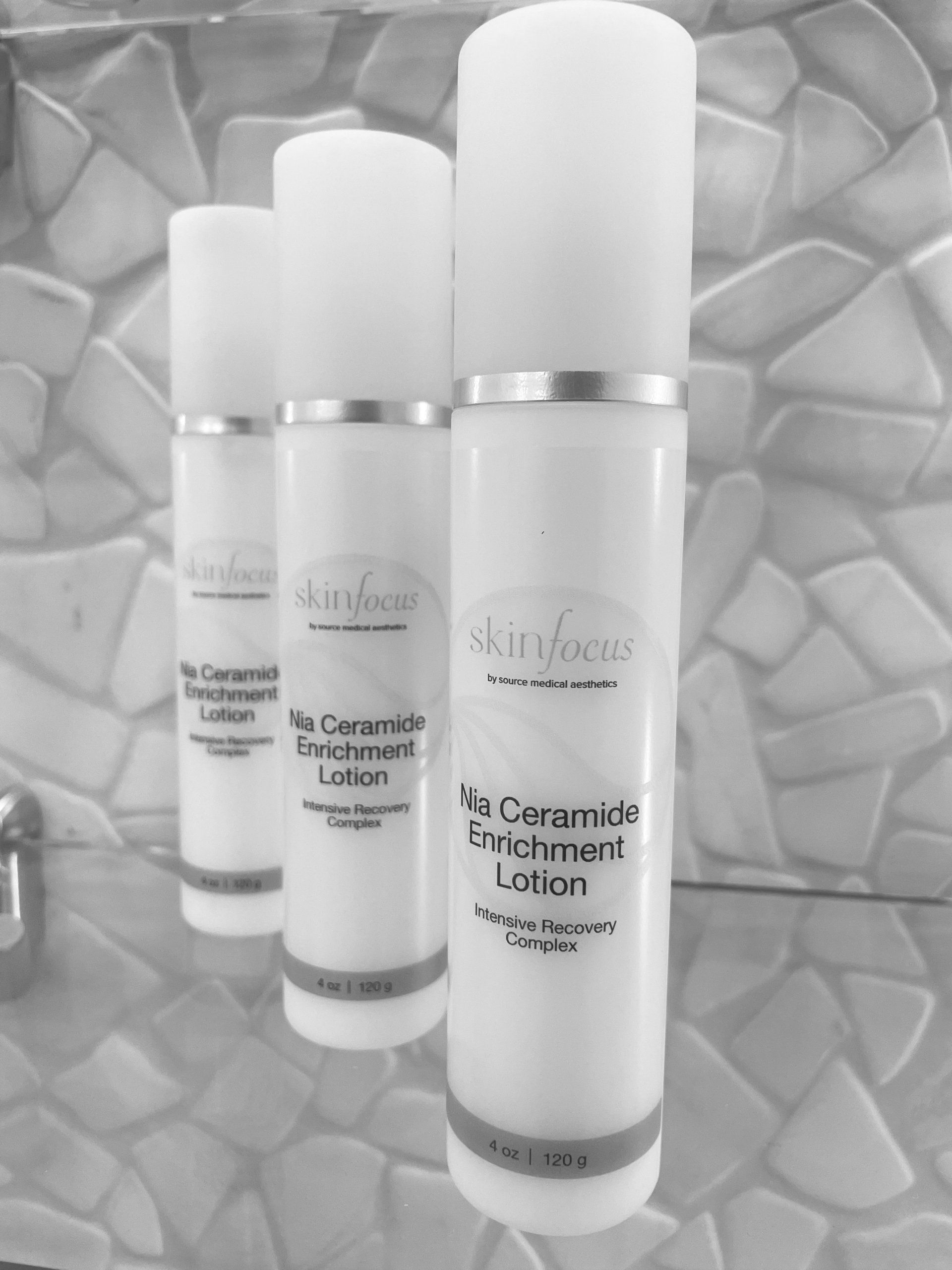
The most important daily habit for managing rosacea in summer is wearing a broad-spectrum SPF 30 or higher every day, even on overcast days. Medical-grade SPF formulations available through Source Medical Aesthetics are formulated specifically for sensitive and rosacea-prone skin, providing protection without the fragrance, alcohol, or chemical filters that can cause irritation.
Frequently Asked Questions
Is rosacea permanent?
Rosacea is a chronic condition, meaning it doesn't go away entirely, but it can be effectively managed. With the right treatment plan, most patients experience significantly fewer and less severe flare-ups, and visible capillaries that have already formed can be treated and reduced.
Can rosacea look like acne?
Yes. Papulopustular rosacea produces breakouts that are frequently mistaken for acne, particularly in adults. The distinction matters because the treatments differ, and acne-directed skincare products can actually aggravate rosacea, which is one reason a professional diagnosis is important.
Does rosacea get worse with age?
Without treatment, rosacea typically does progress over time. Visible vessels become more prominent, background redness becomes more persistent, and flares can become more frequent. Early intervention and consistent management are the most effective ways to slow that progression.
Is rosacea related to skin type?
Rosacea is most commonly diagnosed in people with fair skin, but it occurs across all skin tones. In darker skin tones, it can be harder to identify because the redness is less obvious, though the underlying inflammation and sensitivity are still present.
Schedule Your Rosacea Consultation
If your skin has been redder, more reactive, or harder to manage this summer, a consultation with Dr. Krever at Source Medical Aesthetics is the right next step. Contact Source Medical Aesthetics at (732) 275-8228 or sourcemedicalaesthetics.com to schedule your appointment. We serve patients from Matawan, Marlboro, Holmdel, Old Bridge, and throughout Monmouth County.